Scott Woodward Designs
I’m an architectural designer and student based in the Boston, Massachusetts area, with more than 20 years of experience contributing to the built environment. My work spans a diverse range of project types, including schools, research laboratories, hospitals, public works facilities, police and fire departments, and affordable housing. Each project brings its own challenges, opportunities, and responsibilities, shaping my belief that thoughtful architecture should balance function, innovation, sustainability, and the needs of the people who use these spaces.
My approach to design is rooted in the relationship between the built and natural environments. I’m passionate about exploring how sustainable design principles, responsible material selection, adaptive reuse, and environmentally conscious planning can create healthier, more resilient, and more accessible places to live, work, and learn. I believe architecture should do more than meet a program or satisfy a set of requirements; it should improve everyday experiences, strengthen communities, and contribute positively to the world around us.
As I continue my education in environmental sustainability and advance my architectural studies, I’m expanding my perspective on how design can respond to evolving environmental, social, and urban challenges. I’m particularly interested in the intersection of architecture, sustainability, and community development, including opportunities to transform existing spaces into meaningful, resource-conscious environments.
This website serves as a platform to share my architectural work, design explorations, research, and evolving ideas about the future of the built environment. Through professional experience, academic research, and creative experimentation, I aim to explore design solutions that are practical, forward-thinking, and grounded in the belief that better buildings can help create a better future.
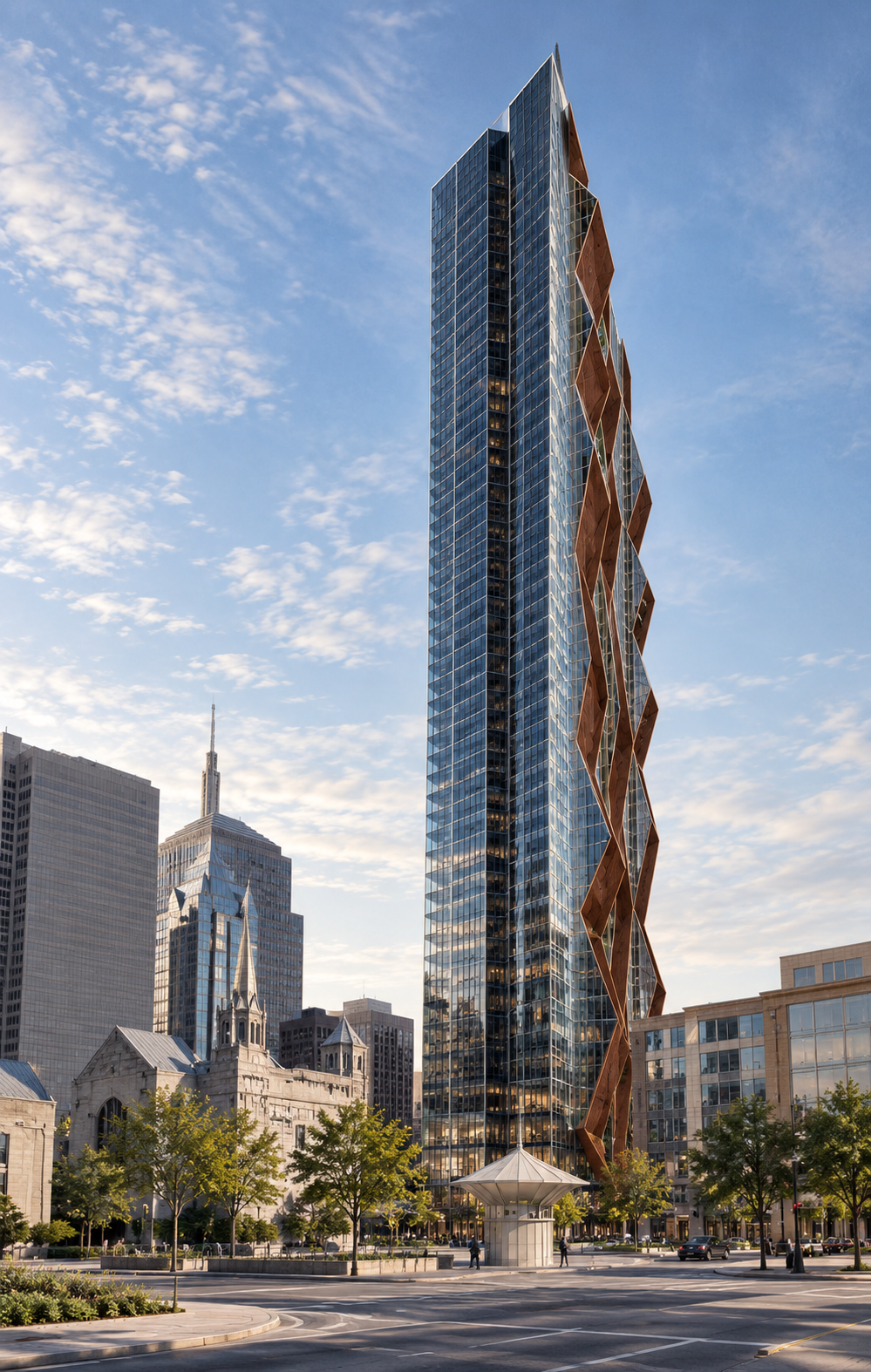
I believe meaningful architecture begins with understanding the relationship between people, buildings, and the environment. By integrating sustainable principles into the design process, we can create spaces that respond to human needs while working in harmony with the natural world. From the materials we select to the way buildings use energy, connect with their surroundings, and support the communities they serve, every design decision presents an opportunity to make a positive difference.
Ultimately, good design should do more than provide shelter or fulfill a functional requirement. It should create a connection between people and their surroundings, encourage healthier ways of living, and contribute to a more resilient and sustainable future. When architecture considers both the human experience and the environment, it becomes more than the creation of buildings; it becomes the creation of places where people and nature can coexist and thrive.
Design for the human element
We live in a world where human activity continuously shapes the environment around us. As designers, we have a responsibility to recognize the impact our decisions have on both the natural world and the people who inhabit the spaces we create. Sustainable design is not simply about reducing environmental impact; it is about promoting human health, enhancing well-being, and preserving the resources future generations will depend on.
Follow Us On Social